
How I Became a Chef
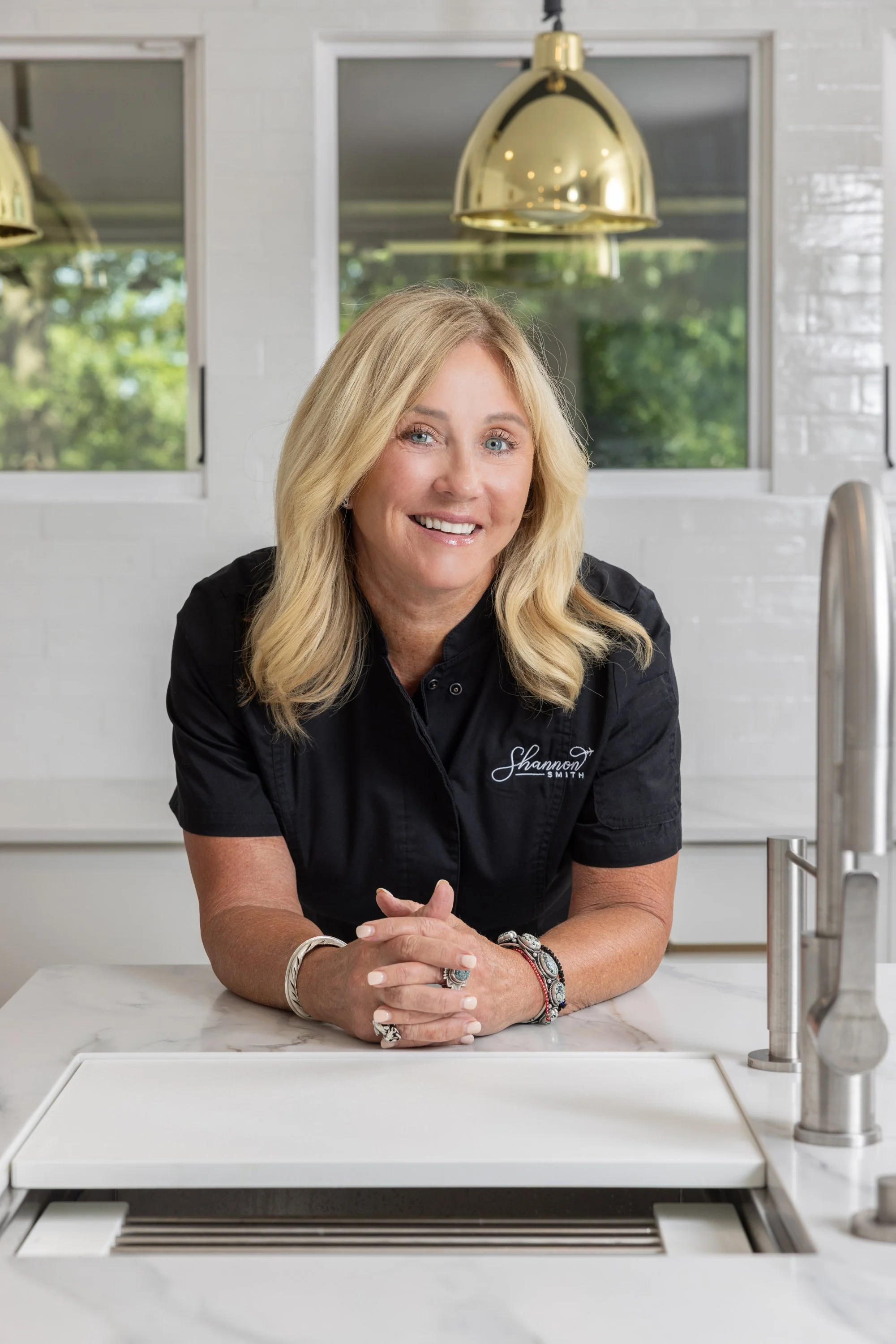
I didn’t grow up dreaming of becoming a chef. In fact, for much of my early adult life, I barely cooked. I made my living as a seamstress, working long hours from home while raising my young children and trying to keep the bills paid. I knew the basics my mother had taught me, but cooking was never something I had time to explore. Money was often very tight, so we ate a lot of baked potatoes, beans, Hamburger Helper, and whatever else I could put on the table inexpensively. Food was practical. It was not yet a passion.
In 1999 I was going through a divorce, and my attorney told me that if I wanted to show the judge I could support my children, I needed to earn a regular paycheck. My sewing business brought in money, but I had kept very few records. I needed a real job. Then an opportunity came along that would change the direction of my life.
A nonprofit called Tulsa Neighborhood Network hired me to teach cooking and nutrition to children living in a state-funded apartment complex. There was just one problem: I wasn’t a very good cook. But I knew enough to teach the basics. Around twenty children would crowd into a tiny apartment kitchen after school, where I taught them to make scrambled eggs, grilled cheese sandwiches, baked potatoes, and chicken fingers. I even brought a portable charcoal grill and taught them to grill hamburgers.
I quickly realized that some of the children came because they were hungry and knew they would get something to eat. But something else began happening in that little kitchen. The apartment complex was home to primarily Black and Russian families, and I had been told there was tension between the two communities. Yet their children stood side by side cracking eggs, flipping sandwiches, laughing, cooking, and eating together. They became friends. It was my first real understanding of something that would eventually shape my entire life: food brings people together.
The nonprofit also asked me to teach women living in a shelter for pregnant mothers. Once a week, I would show them how to use the groceries they could afford to make simple meals for themselves and their children. Their lives were very different from mine, but around the kitchen counter, those differences seemed to matter less. We cooked. We talked. We ate. And I loved it.
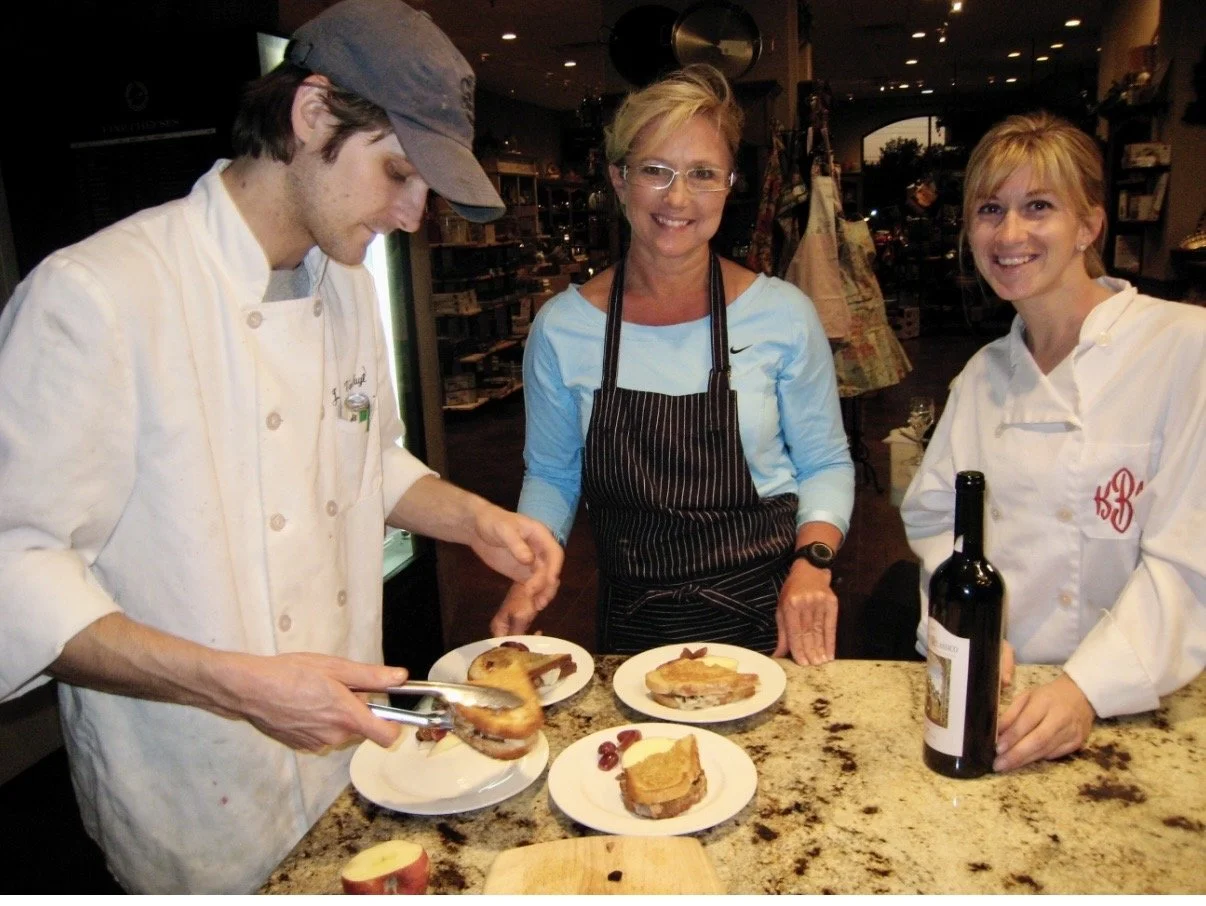
At thirty-four, I had finally become a teacher, something I had wanted to do since college. The irony was that I was teaching people how to cook when I knew how much I still needed to learn myself. So I began taking evening cooking classes at Savory Chef, a cookware shop in Tulsa with a teaching kitchen in the back. One evening, the owner told me about a ten-week Professional Chef course. It cost $1,000, an enormous amount of money to me at the time, but a dear friend encouraged me to do it and paid for the course.
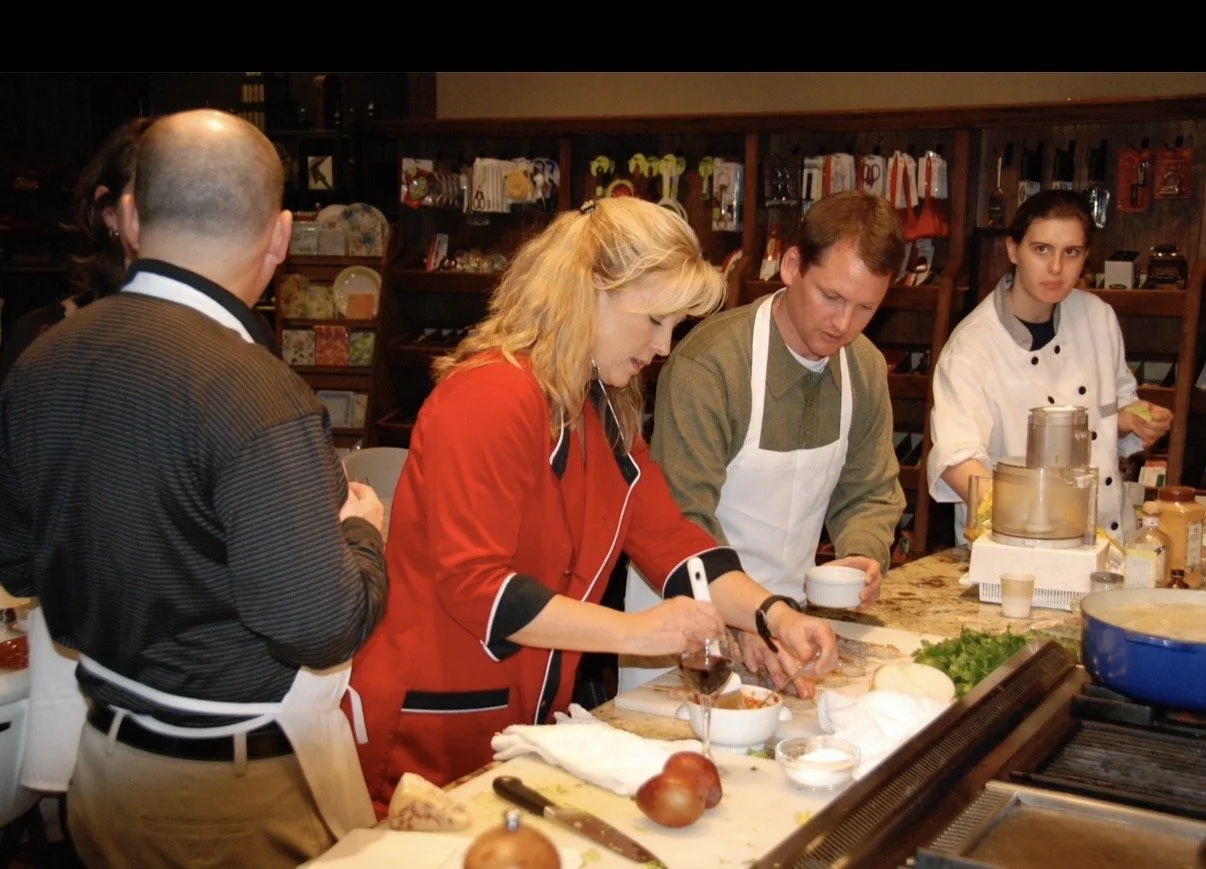
Every Monday night from six until midnight, I cooked alongside three other students. Our instructor, Scott, had recently graduated from the Culinary Institute of America and was strict. One night he even made me cry when he told me I was too messy and needed to organize my workspace. But during those ten weeks, my confidence grew enormously. I learned knife skills, braising, sautéing, frying, grilling, and the discipline of working in a kitchen. When the course ended, I immediately signed up for the next one. Then another. I took everything they offered.
Eventually, the school asked me to teach evening classes myself. By then, I was newly remarried to Phil. He and I had begun traveling, and I started taking cooking classes everywhere we went. I would come home with new recipes, techniques, flavors, and stories and incorporate them into my classes. Before long, I was teaching cooking classes in our home.
Travel became my real culinary school. I learned from professional chefs, grandmothers, and home cooks, often in kitchens where we didn’t even speak the same language. People showed me how to prepare the foods their families had eaten for generations, and while we cooked, they shared their lives with me. I discovered that I was far more interested in what was happening in people’s kitchens than in seeing famous landmarks.
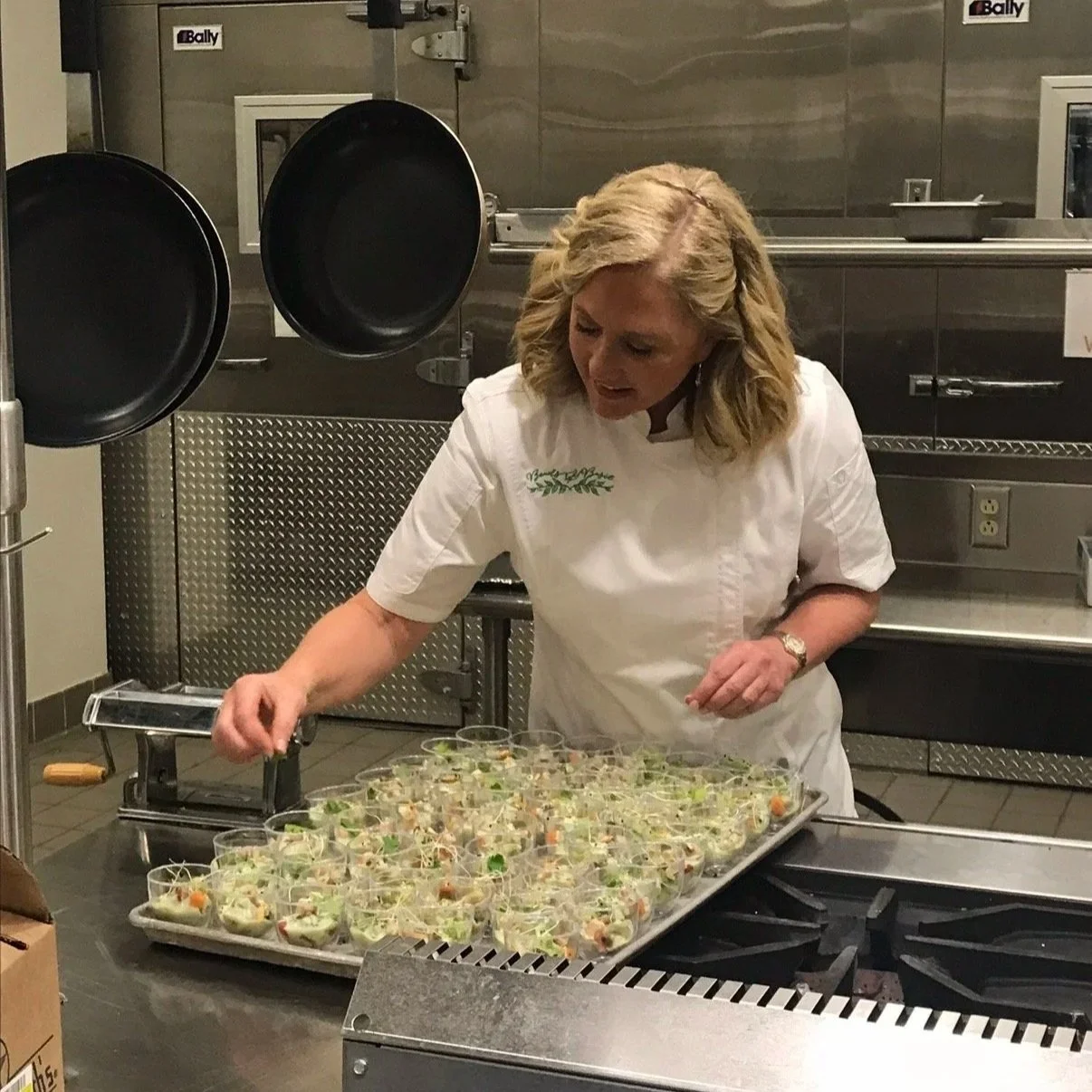
Eventually, I began hosting “experiential dinners” in our home, where people paid for a seat at my table and experienced another part of the world through food. I started with A Night in Italy, followed by A Night in Morocco, A Night in India, and many others. I created a website where I shared my travel stories and recipes. Somehow, the woman who once relied on Hamburger Helper because it was cheap and easy had become a chef.
For the next twenty years, I continued traveling, cooking, teaching, and feeding people. Again and again, I was invited into homes and kitchens around the world. People shared their recipes with me, but more importantly, they shared their stories. Everywhere I went, I saw the same lesson I had first witnessed in that tiny Tulsa apartment: food brings people together.
For years, people asked if I would write a cookbook, and I always said no. Then one day I started writing just to see where it would lead. Six years later, I finished The Hidden Table, part cookbook and part storybook about the people who had welcomed me to their tables around the world. I decided to self-publish and ordered 3,500 copies. I will never forget the day a semi truck pulled up to my house carrying eight pallets of books. I opened the first box and held that book in my hands—six years of writing, decades of travel, hundreds of meals, and so many people and stories between two covers. I was incredibly proud.
Sometimes I look back and marvel at how unlikely this journey was. I didn’t go to culinary school at eighteen or spend my twenties working in restaurant kitchens. I spent those years raising children, sewing for a living, worrying about money, and doing whatever I needed to do to keep my family going.
I became a chef because, at thirty-four years old, I needed a paycheck. That paycheck led me into a tiny apartment kitchen filled with hungry children. Those children taught me that food could do something much bigger than satisfy hunger. It could create connection.
That lesson made me want to learn. Learning made me want to travel. Travel made me want to teach. Teaching led me to open my home and my table. And eventually, all those tables became a book.
I thought I was learning how to cook. It turns out I was learning how to feed people, and somewhere along the way, feeding people became my purpose.